物理化学学报 >> 2025, Vol. 41 >> Issue (9): 100108.doi: 10.1016/j.actphy.2025.100108
电化学降解污水中含氮废弃物的升值策略
孙明磊, 袁忠勇*( )
)
- 南开大学材料科学与工程学院, 天津 300350
-
收稿日期:2025-02-12修回日期:2025-04-27录用日期:2025-05-28发布日期:2025-07-04 -
通讯作者:Email: zyyuan@nankai.edu.cn (袁忠勇) -
基金资助:国家自然科学基金(22179065); 南开大学材料科学与工程学院博士研究生科研创新基金资助项目
Valorization strategies for electrodegradation of nitrogenous wastes in sewage
Minglei Sun, Zhong-Yong Yuan*()
- School of Materials Science and Engineering, Nankai University, Tianjin 300350, China
-
Received:2025-02-12Revised:2025-04-27Accepted:2025-05-28Published:2025-07-04 -
Contact:Email: zyyuan@nankai.edu.cn (Zhong-Yong Yuan) -
Supported by:the National Natural Science Foundation of China(22179065); the Ph.D. Candidate Research Innovation Fund of NanKai University School of Materials Science and Engineering

摘要:
由于工业和生活废水的大量排放,地表水水体中的氮污染已成为全球性的环境问题。新兴的电化学降解技术为高效降解含氮废物,如亲电污染物(硝酸盐和亚硝酸盐)和亲核污染物(尿素、氨氮和肼)提供了有前途的解决方案,同时能在电降解过程中实现增值产出。本文对污水中典型的含氮废弃物电降解过程中的升值策略进行了深入研究,重点阐释了提高价值输出效率的方法:(1) 通过构建锌-亲电性污染物电池实现能量与化学品产出;(2) 通过亲核污染物驱动的混合直接燃料电池实现能量输出;(3) 通过亲核性污染物辅助的电解水装置实现节能纯净氢能的生产;(4) 利用锌-亲核性污染物电池进行储能和制氢;(5) 通过C―N耦合反应产生有价值的化学产品。最后,我们对当前面临的挑战和未来前景进行了深入分析,以加深对先进电化学电池的理解,弥合实验试验与实际应用之间的差距。
引用本文
孙明磊, 袁忠勇. 电化学降解污水中含氮废弃物的升值策略[J]. 物理化学学报, 2025, 41(9), 100108. doi: 10.1016/j.actphy.2025.100108
Minglei Sun, Zhong-Yong Yuan. Valorization strategies for electrodegradation of nitrogenous wastes in sewage[J]. Acta Phys. -Chim. Sin. 2025, 41(9), 100108. doi: 10.1016/j.actphy.2025.100108
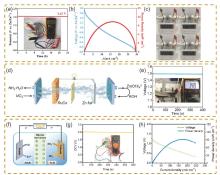
图1
"
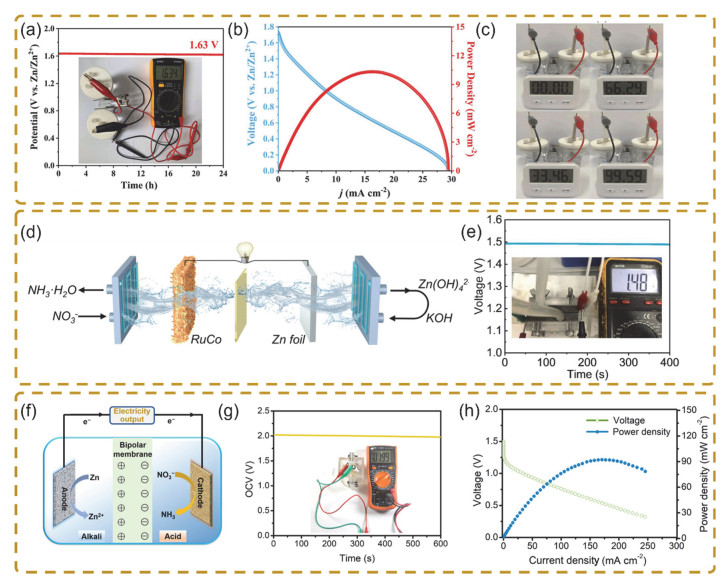
图2
"
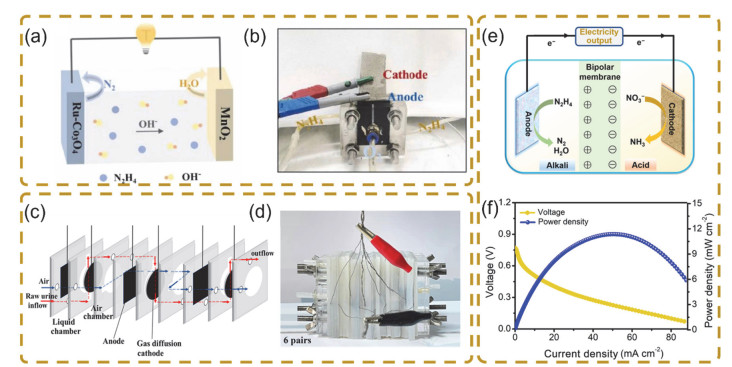
图3
"
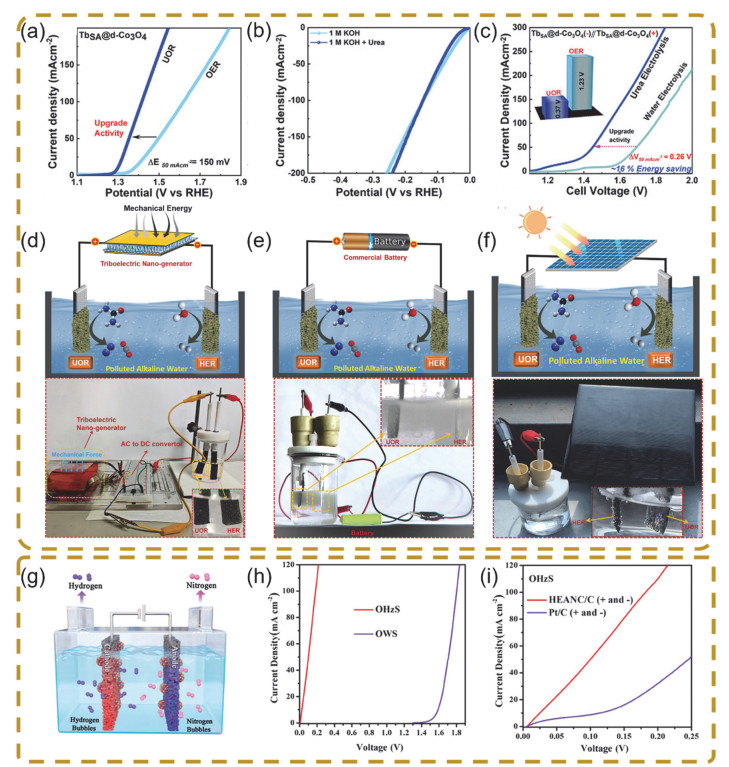
图4
"
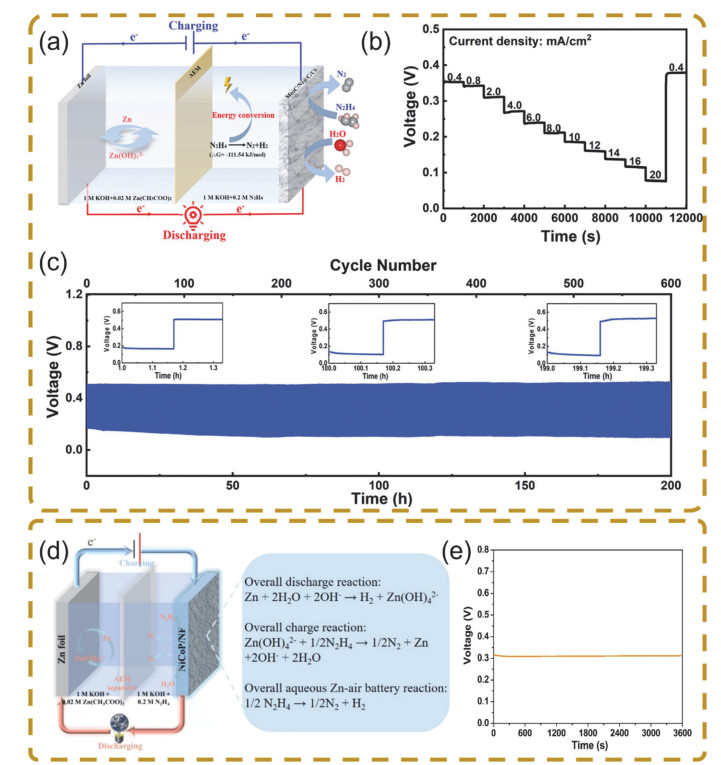
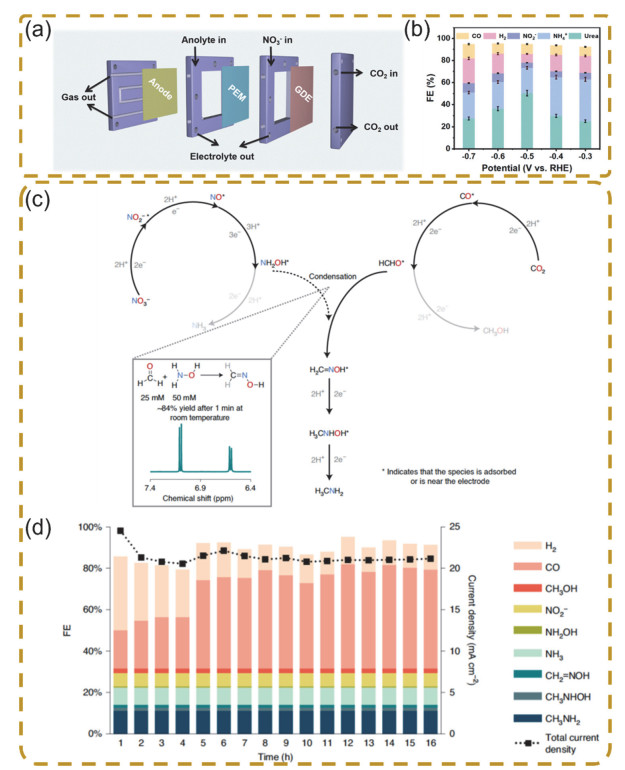
图5
"
| 1 |
doi: 10.1038/nature06592 |
| 2 |
doi: 10.1039/D0CS00923G |
| 3 |
doi: 10.1039/D1CS00857A |
| 4 |
doi: 10.1038/s41570-018-0041-7 |
| 5 |
doi: 10.1126/science.aar6611 |
| 6 |
doi: 10.1126/science.1185383 |
| 7 |
doi: 10.1016/j.jece.2022.107387 |
| 8 |
doi: 10.1039/C9CS00159J |
| 9 |
doi: 10.1016/j.watres.2016.07.069 |
| 10 |
doi: 10.1088/1755-1315/664/1/012024 |
| 11 |
doi: 10.1039/d1cs00116g |
| 12 |
doi: 10.1021/cr60316a001 |
| 13 |
doi: 10.1016/j.jechem.2020.08.030 |
| 14 |
doi: 10.1002/aenm.202302515 |
| 15 |
doi: 10.1039/b924786f |
| 16 |
doi: 10.1002/anie.202213328 |
| 17 |
doi: 10.1039/D1CC06690K |
| 18 |
doi: 10.1021/acsnano.2c09168 |
| 19 |
doi: 10.1039/D2CS00381C |
| 20 |
doi: 10.1039/D4SC05936K |
| 21 |
doi: 10.1016/j.mattod.2024.01.009 |
| 22 |
doi: 10.1016/j.cej.2023.145899 |
| 23 |
doi: 10.1039/D4CS00517A |
| 24 |
doi: 10.1039/D4TA05108D |
| 25 |
doi: 10.1016/j.jechem.2024.06.054 |
| 26 |
doi: 10.1016/j.jechem.2020.01.007 |
| 27 |
doi: 10.1039/d3cs00295k |
| 28 |
doi: 10.1016/j.jechem.2020.02.055 |
| 29 |
doi: 10.1002/advs.201700691 |
| 30 |
doi: 10.1039/d1ee00806d |
| 31 |
doi: 10.1039/d2ee00686c |
| 32 |
doi: 10.31635/ccschem.024.202404299 |
| 33 |
doi: 10.1021/acsami.4c01739 |
| 34 |
doi: 10.1002/anie.202408771 |
| 35 |
doi: 10.1002/ceat.200401832 |
| 36 |
doi: 10.1039/d3ee01301d |
| 37 |
doi: 10.1039/d4ta07666d |
| 38 |
doi: 10.1039/d3nr05254k |
| 39 |
doi: 10.1016/j.ijhydene.2024.05.299 |
| 40 |
doi: 10.1021/acscatal.4c07320 |
| 41 |
doi: 10.1016/j.inoche.2023.110621 |
| 42 |
doi: 10.1002/smll.202312136 |
| 43 |
doi: 10.1002/adfm.202410941 |
| 44 |
doi: 10.1039/D4EE03987D |
| 45 |
doi: 10.1039/d3ee00371j |
| 46 |
doi: 10.1016/j.jcis.2024.06.213 |
| 47 |
doi: 10.1002/anie.202401924 |
| 48 |
doi: 10.1039/D2TA04294K |
| 49 |
doi: 10.1039/D3QI01113E |
| 50 |
doi: 10.1002/anie.202313434 |
| 51 |
doi: 10.1002/aenm.202402970 |
| 52 |
doi: 10.1038/s41467-023-43897-6 |
| 53 |
doi: 10.1016/j.joule.2020.12.025 |
| 54 |
doi: 10.1016/j.jhazmat.2009.06.005 |
| 55 |
doi: 10.1016/j.cej.2019.122065 |
| 56 |
doi: 10.1016/j.watres.2017.04.069 |
| 57 |
doi: 10.1002/adma.202404774 |
| 58 |
doi: 10.1016/j.enconman.2024.118819 |
| 59 |
doi: 10.1016/j.mattod.2019.06.005 |
| 60 |
doi: 10.1038/241471a0 |
| 61 |
doi: 10.1016/j.ijhydene.2024.09.128 |
| 62 |
doi: 10.1016/j.jpowsour.2012.02.043 |
| 63 |
doi: 10.1016/j.cogsc.2024.100944 |
| 64 |
doi: 10.1016/j.jpowsour.2013.01.181 |
| 65 |
doi: 10.1002/smll.202311946 |
| 66 |
doi: 10.1021/acscatal.3c05657 |
| 67 |
doi: 10.1016/j.ijhydene.2024.09.240 |
| 68 |
doi: 10.1039/D3NJ04229D |
| 69 |
doi: 10.1016/j.ijhydene.2023.10.279 |
| 70 |
doi: 10.1021/jp512981f |
| 71 |
doi: 10.1016/j.electacta.2018.01.045 |
| 72 |
doi: 10.1002/ejic.202400039 |
| 73 |
doi: 10.1016/j.electacta.2008.02.054 |
| 74 |
doi: 10.1016/j.elecom.2013.10.006 |
| 75 |
doi: 10.1098/rspa.2014.0792 |
| 76 |
doi: 10.1002/smll.202301130 |
| 77 |
doi: 10.1021/jp5052529 |
| 78 |
doi: 10.1002/smll.202406589 |
| 79 |
doi: 10.1016/j.apcatb.2024.124287 |
| 80 |
doi: 10.1016/j.electacta.2017.12.123 |
| 81 |
doi: 10.1016/j.jpowsour.2018.12.024 |
| 82 |
doi: 10.1002/advs.201600179 |
| 83 |
doi: 10.1016/j.jpowsour.2016.01.042 |
| 84 |
doi: 10.1016/j.ijhydene.2022.03.139 |
| 85 |
doi: 10.1021/acsaem.2c03938 |
| 86 |
doi: 10.1016/j.jcis.2023.10.011 |
| 87 |
doi: 10.1021/acs.energyfuels.4c02183 |
| 88 |
doi: 10.1021/acssuschemeng.3c06691 |
| 89 |
doi: 10.1016/j.apcatb.2021.119892 |
| 90 |
doi: 10.1016/j.jelechem.2016.01.013 |
| 91 |
doi: 10.1002/anie.202300390 |
| 92 |
doi: 10.1016/j.nanoen.2020.105270 |
| 93 |
doi: 10.1016/j.jechem.2022.08.019 |
| 94 |
doi: 10.1016/j.cej.2024.151236 |
| 95 |
doi: 10.1038/s41467-021-24529-3 |
| 96 |
doi: 10.1021/acsnano.3c03095 |
| 97 |
doi: 10.1007/s41918-022-00159-1 |
| 98 |
doi: 10.1002/anie.201608899 |
| 99 |
doi: 10.1016/j.jechem.2022.04.045 |
| 100 |
doi: 10.1002/aenm.202203568 |
| 101 |
doi: 10.1002/aenm.202203720 |
| 102 |
doi: 10.1016/j.cej.2023.146134 |
| 103 |
doi: 10.1039/D4TA03382E |
| 104 |
doi: 10.1002/aenm.202402611 |
| 105 |
doi: 10.1021/acscatal.4c05825 |
| 106 |
doi: 10.1002/adma.202412173 |
| 107 |
doi: 10.1016/j.ijhydene.2024.09.193 |
| 108 |
doi: 10.1021/acsami.4c11228 |
| 109 |
doi: 10.1016/j.cej.2024.150897 |
| 110 |
doi: 10.1002/aenm.202402429 |
| 111 |
doi: 10.1002/adfm.202401011 |
| 112 |
doi: 10.1002/adma.202307979 |
| 113 |
doi: 10.1002/adfm.202402776 |
| 114 |
doi: 10.1016/j.cej.2024.156647 |
| 115 |
doi: 10.1002/smll.202407845 |
| 116 |
doi: 10.1039/D4QI01789G |
| 117 |
doi: 10.1002/adma.202309715 |
| 118 |
doi: 10.1002/adfm.202414935 |
| 119 |
doi: 10.1039/D1CS00498K |
| 120 |
doi: 10.1039/D3QI00795B |
| 121 |
doi: 10.1016/j.jechem.2022.03.048 |
| 122 |
doi: 10.1021/acsnano.4c04831 |
| 123 |
doi: 10.1016/j.jcis.2024.11.098 |
| 124 |
doi: 10.1007/s40820-023-01128-z |
| 125 |
doi: 10.1039/D4QI01740D |
| 126 |
doi: 10.1016/j.jcis.2024.09.227 |
| 127 |
doi: 10.1002/adma.202207747 |
| 128 |
doi: 10.1002/smll.202408569 |
| 129 |
doi: 10.1016/j.ensm.2022.02.019 |
| 130 |
doi: 10.1021/acsami.1c08300 |
| 131 |
doi: 10.1038/s41929-024-01200-w |
| 132 |
doi: 10.1016/S0022-0728(97)00504-4 |
| 133 |
doi: 10.1149/1.1838641 |
| 134 |
doi: 10.1016/j.apcatb.2024.124826 |
| 135 |
doi: 10.1016/j.esci.2022.11.002 |
| 136 |
doi: 10.1021/jacs.1c10714 |
| 137 |
doi: 10.1038/s41557-019-0312-z |
| 138 |
doi: 10.1016/j.jechem.2021.06.007 |
| 139 |
doi: 10.1038/s41893-021-00705-7 |
| 140 |
doi: 10.1016/0022-0728(95)03992-P |
| 141 |
doi: 10.1016/j.xcrp.2021.100378 |
| 142 |
doi: 10.1039/D4CC05002A |
| 143 |
doi: 10.1038/s41557-020-0481-9 |
| 144 |
doi: 10.1016/j.apcatb.2022.121819 |
| 145 |
doi: 10.1002/adfm.202425687 |
| [1] | 徐斯然, 吴奇, 卢帮安, 唐堂, 张佳楠, 胡劲松. “绿氢”工业化碱性催化剂研究现状及未来展望[J]. 物理化学学报, 2023, 39(2): 2209001 -0 . |
| [2] | 李孟婷, 郑星群, 李莉, 魏子栋. 碱性介质中氢氧化和析氢反应机理研究现状[J]. 物理化学学报, 2021, 37(9): 2007054 - . |
| [3] | 刘源, 李卫东, 吴捍, 卢思宇. 碳点增强的Ru纳米颗粒复合材料用于碱性条件下高效电解水析氢[J]. 物理化学学报, 2021, 37(7): 2009082 - . |
| [4] | 凌崇益,王金兰. 基于类石墨烯二维材料的析氢反应电催化剂的研究进展[J]. 物理化学学报, 2017, 33(5): 869 -885 . |
| [5] | 吴昱,罗键. 原位生长Pd/Ni(OH)2/NF复合催化剂及其析氢性能[J]. 物理化学学报, 2016, 32(11): 2745 -2752 . |
| [6] | 王玉玲;蔡乃才;霍耀东;陈浩. 苯胺在SnO2/Ti电极上的电化学氧化[J]. 物理化学学报, 2001, 17(07): 609 -613 . |
|
||