

物理化学学报 >> 2024, Vol. 40 >> Issue (4): 2305019.doi: 10.3866/PKU.WHXB202305019
所属专题: 多物理场能源催化转化
林柳1, 孙泽民1,*( ), 陈华添1, 赵莲1, 孙明月1, 杨逸涛1, 廖振升1, 吴鑫宇1, 李欣欣2, 唐城2,*()
收稿日期:2023-05-09
修回日期:2023-06-05
录用日期:2023-06-07
发布日期:2023-06-14
通讯作者:
Email: zmsun@mail.bnu.edu.cn (孙泽民)cheng-net0@tsinghua.edu.cn (唐城)
基金资助:
Liu Lin1, Zemin Sun1,*(), Huatian Chen1, Lian Zhao1, Mingyue Sun1, Yitao Yang1, Zhensheng Liao1, Xinyu Wu1, Xinxin Li2, Cheng Tang2,*()
Received:2023-05-09
Revised:2023-06-05
Accepted:2023-06-07
Published:2023-06-14
Contact:
Email: zmsun@mail.bnu.edu.cn (Zemin Sun)cheng-net0@tsinghua.edu.cn (Cheng Tang)
Supported by:摘要:
过氧化氢(H2O2)是一种环境友好的化学氧化剂,广泛应用于水处理、医疗消毒、化学合成等工业领域。电催化两电子水氧化反应(2e− WOR)是一种可以在温和条件下直接从水中生产H2O2的方法。然而,受限于反应机理认识和催化材料设计的不足,2e− WOR的催化选择性和活性仍然较低。本文综述了近年来通过2e− WOR反应路径电合成H2O2的研究进展,首先介绍了2e− WOR的催化机理和研究方法,强调了理论计算加速高选择性、高活性和高稳定性催化剂研究的作用,并讨论了电合成H2O2的不同定量方法和原位表征手段;然后详细总结了高性能2e− WOR电催化剂的调控策略,包括缺陷、掺杂、晶面和界面工程,同时指出了反应器创新设计的重要性;最后展望了电合成H2O2的研究挑战和机遇。
林柳, 孙泽民, 陈华添, 赵莲, 孙明月, 杨逸涛, 廖振升, 吴鑫宇, 李欣欣, 唐城. 电催化两电子水氧化制备过氧化氢的研究进展[J]. 物理化学学报, 2024, 40(4), 2305019. doi: 10.3866/PKU.WHXB202305019
Liu Lin, Zemin Sun, Huatian Chen, Lian Zhao, Mingyue Sun, Yitao Yang, Zhensheng Liao, Xinyu Wu, Xinxin Li, Cheng Tang. Recent Advances in Electrocatalytic Two-Electron Water Oxidation for Green H2O2 Production[J]. Acta Phys. -Chim. Sin. 2024, 40(4), 2305019. doi: 10.3866/PKU.WHXB202305019
图1
"
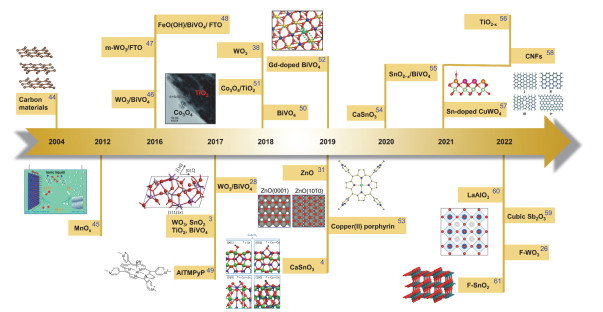
图2
"
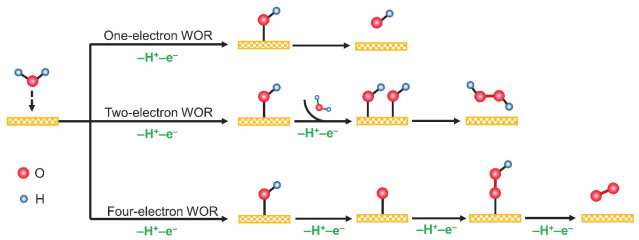
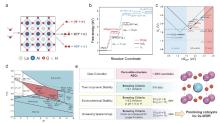
图3
"
表1
"
| Pathway | Electrolyte | Reagent | Method | Reference |
| WOR | 2 mol∙L−1 KHCO3 | Quantofix a | H2O2 strip | |
| WOR | 1 mol∙L−1 Na2CO3 | KMnO4 | Titration | |
| WOR | 2 mol∙L−1 KHCO3 | Iodine | UV-Vis/Titration | |
| WOR | 1 mol∙L−1 NaHCO3 | N, N-diethyl-1,4-phenylene-diamine | UV-Vis | |
| WOR | 2 mol∙L−1 KHCO3 | N, N-diethyl-1,4-phenylene-diamine | UV-Vis | |
| WOR | 2 mol∙L−1 KHCO3 | Quantofix | H2O2 strip | |
| WOR | 2 mol∙L−1 KHCO3 | Quantofix | H2O2 strip | |
| WOR | 0.1 mol∙L−1 HClO4 | KMnO4 | Titration | |
| ORR | 2 mol∙L−1 KHCO3 | Quantofix/KMnO4 | H2O2 strip/Titration | |
| ORR | 0.05 mol∙L−1 H2SO4 | Ce(SO4)2 | UV-Vis | |
| ORR | 0.1 mol∙L−1 HClO4 | Iodine | UV-Vis/Titration |
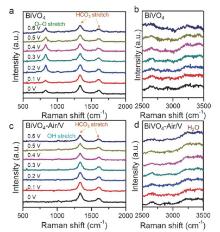
图4
"
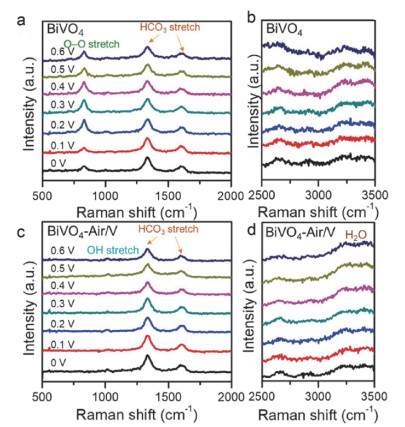
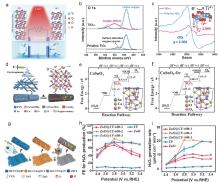
图5
"
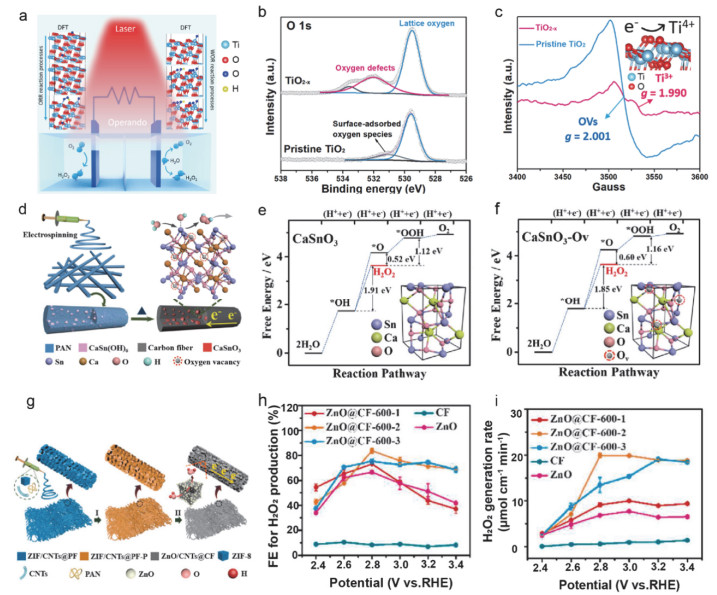
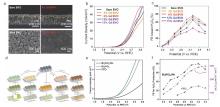
图6
"
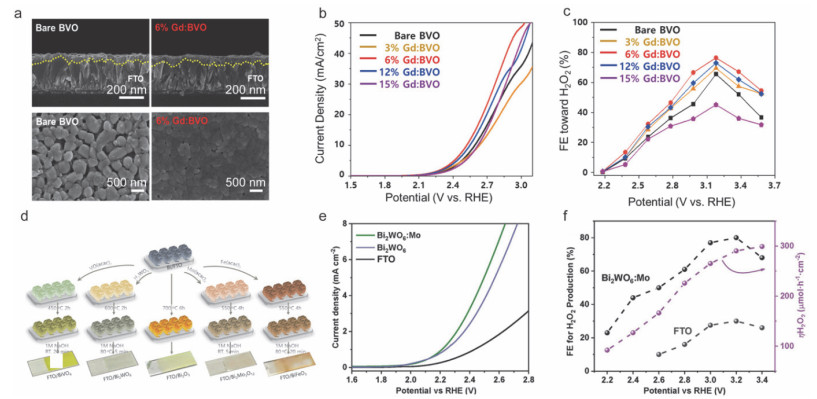
图7
"
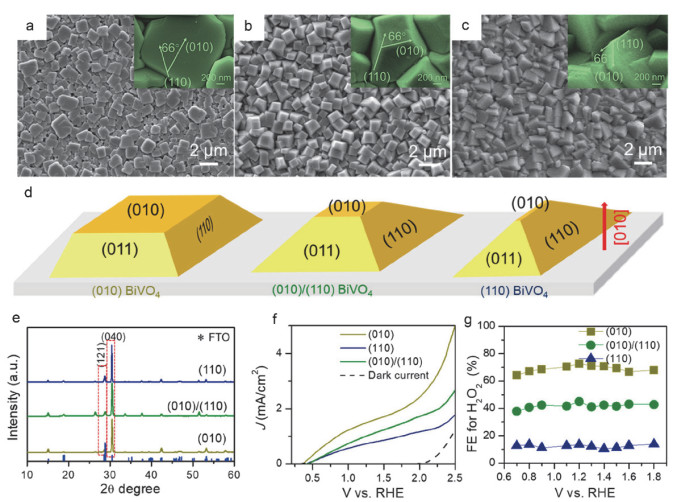
图8
"
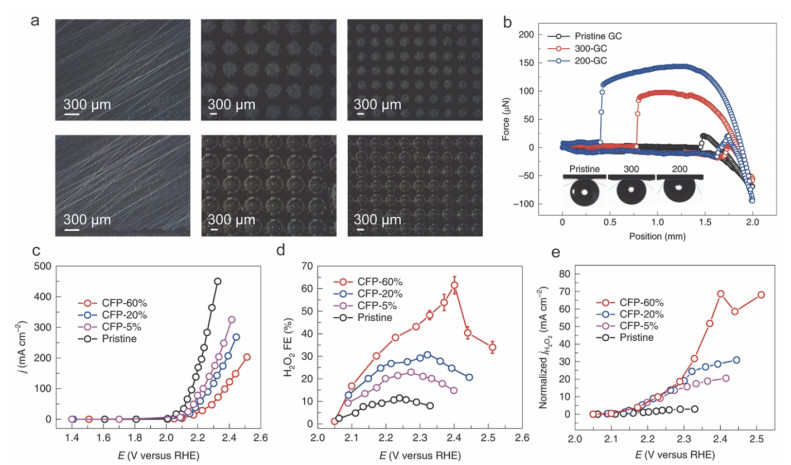
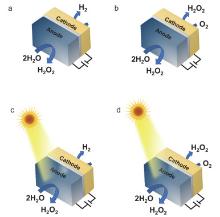
图9
"
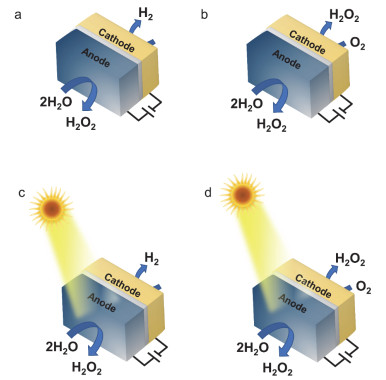
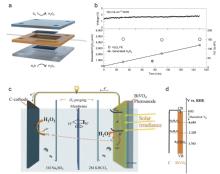
图10
"
| 1 |
doi: 10.1126/science.aay1844 |
| 2 |
doi: 10.1038/nmat3795 |
| 3 |
doi: 10.1038/s41467-017-00585-6 |
| 4 |
doi: 10.1021/acsenergylett.8b02303 |
| 5 |
doi: 10.1002/anie.200503779 |
| 6 |
doi: 10.1002/anie.202101522 |
| 7 |
doi: 10.1021/jacs.1c03135 |
| 8 |
doi: 10.1039/c6re00195e |
| 9 |
doi: 10.1002/anie.202003842 |
| 10 |
doi: 10.1016/j.chempr.2020.09.013 |
| 11 |
doi: 10.1021/acscatal.0c01641 |
| 12 |
doi: 10.1002/aenm.202201466 |
| 13 |
doi: 10.1002/anie.200802818 |
| 14 |
doi: 10.1016/j.cej.2020.126171 |
| 15 |
doi: 10.1002/smll.201902845 |
| 16 |
doi: 10.1021/acsmaterialslett.1c00263 |
| 17 |
doi: 10.1002/aenm.201801909 |
| 18 |
doi: 10.1016/j.jechem.2021.10.013 |
| 19 |
doi: 10.1038/s41467-022-30523-0 |
| 20 |
doi: 10.1038/s41563-019-0571-5 |
| 21 |
doi: 10.1002/anie.202205972 |
| 22 |
doi: 10.1002/adma.202205414 |
| 23 |
doi: 10.1039/d0cs00458h |
| 24 |
doi: 10.1021/acsami.1c11765 |
| 25 |
doi: 10.1016/j.cej.2020.127564 |
| 26 |
doi: 10.1016/j.apcatb.2022.121756 |
| 27 |
doi: 10.1021/acs.jpclett.6b02924 |
| 28 |
doi: 10.1039/c7ra09693c |
| 29 |
doi: 10.1016/j.jallcom.2017.11.181 |
| 30 |
doi: 10.1016/j.envres.2021.112290 |
| 31 |
doi: 10.1021/acscatal.8b04873 |
| 32 |
doi: 10.1039/d1ta07562d |
| 33 |
doi: 10.1021/acs.jpclett.5b02178 |
| 34 |
doi: 10.1002/cssc.202102137 |
| 35 |
doi: 10.1016/j.cossms.2022.100988 |
| 36 |
doi: 10.1038/s41929-019-0402-8 |
| 37 |
doi: 10.1002/slct.201601469 |
| 38 |
doi: 10.1039/c8ta04081h |
| 39 |
doi: 10.1021/acsenergylett.1c00904 |
| 40 |
doi: 10.1016/j.chempr.2017.12.015 |
| 41 |
doi: 10.1038/s41929-020-0486-1 |
| 42 |
doi: 10.1021/acsenergylett.1c01264 |
| 43 |
doi: 10.1021/nl500037x |
| 44 |
doi: 10.1016/j.ijhydene.2004.02.001 |
| 45 |
doi: 10.1039/c2ee21832a |
| 46 |
doi: 10.1039/c6cc01605g |
| 47 |
doi: 10.1038/ncomms11470 |
| 48 |
doi: 10.1021/acsenergylett.6b00415 |
| 49 |
doi: 10.1002/cssc.201700322 |
| 50 |
doi: 10.1002/aenm.201801158 |
| 51 |
doi: 10.1039/c8cc03303j |
| 52 |
doi: 10.1021/acsenergylett.9b00277 |
| 53 |
doi: 10.1039/c8sc04529a |
| 54 |
doi: 10.1021/acssuschemeng.0c05449 |
| 55 |
doi: 10.1021/jacs.9b13410 |
| 56 |
doi: 10.1016/j.checat.2021.10.011 |
| 57 |
doi: 10.1021/acs.chemmater.1c02787 |
| 58 |
doi: 10.1039/d1ta06306e |
| 59 |
doi: 10.1016/j.apsusc.2022.155006 |
| 60 |
doi: 10.1038/s41467-022-34884-4 |
| 61 |
doi: 10.1038/s41467-022-30251-5 |
| 62 |
doi: 10.1002/smll.202104561 |
| 63 |
doi: 10.1021/acssuschemeng.0c07263 |
| 64 |
doi: 10.1038/s41570-019-0110-6 |
| 65 |
doi: 10.1039/c5cy01567g |
| 66 |
doi: 10.1016/j.apsusc.2022.153832 |
| 67 |
doi: 10.1002/adma.201904433 |
| 68 |
doi: 10.1016/j.mtadv.2022.100280 |
| 69 |
doi: 10.1016/j.cej.2021.129722 |
| 70 |
doi: 10.1016/j.carbon.2022.01.019 |
| 71 |
doi: 10.1021/nn501640q |
| 72 |
doi: 10.3390/nano11082045 |
| 73 |
doi: 10.1002/admt.202100708 |
| 74 |
doi: 10.1016/j.cej.2020.127332 |
| 75 |
doi: 10.1016/j.jhazmat.2014.04.054 |
| 76 |
doi: 10.1016/j.watres.2015.11.049 |
| 77 |
doi: 10.1016/j.watres.2016.07.004 |
| 78 |
doi: 10.1016/j.watres.2015.05.019 |
| 79 |
doi: 10.1038/srep09332 |
| 80 |
doi: 10.1063/1.453529 |
| 81 |
doi: 10.1016/j.watres.2021.117338 |
| 82 |
doi: 10.1021/jacs.2c01153 |
| 83 |
doi: 10.1021/ja405997s |
| 84 |
doi: 10.1016/j.jelechem.2006.11.008 |
| 85 |
doi: 10.1002/cctc.201902363 |
| 86 |
doi: 10.1002/aenm.201702774 |
| 87 |
doi: 10.1039/d0ta09122g |
| 88 |
doi: 10.1002/anie.202008031 |
| 89 |
doi: 10.1016/j.apsusc.2022.153634 |
| 90 |
doi: 10.1021/acs.jpcc.9b11418 |
| 91 |
doi: 10.1002/cctc.202300055 |
| 92 |
doi: 10.1016/j.matt.2019.09.011 |
| 93 |
doi: 10.1038/ncomms12012 |
| 94 |
doi: 10.1021/acs.chemmater.7b03980 |
| 95 |
doi: 10.1021/acs.chemmater.0c02010 |
| 96 |
doi: 10.1002/adfm.202100099 |
| 97 |
doi: 10.1038/s41467-020-17782-5 |
| 98 |
doi: 10.1039/d0ee01925a |
| 99 |
doi: 10.1038/s41467-020-175 |
| 100 |
doi: 10.1002/smll.202100400 |
| 101 |
doi: 10.1021/jacs.9b07979 |
| 102 |
doi: 10.1021/acscatal.7b02561 |
| 103 |
doi: 10.1021/jacs.8b08379 |
| 104 |
doi: 10.1002/adfm.201706319 |
| 105 |
doi: 10.1002/jccs.201900001 |
| 106 |
doi: 10.1039/c4sc00565a |
| 107 |
doi: 10.1039/c4cs00236a |
| 108 |
doi: 10.1016/j.nanoen.2020.105126 |
| 109 |
doi: 10.1007/s40820-020-00579-y |
| 110 |
doi: 10.1002/adma.201606459 |
| 111 |
doi: 10.1039/c8ee03276a |
| 112 |
doi: 10.1016/j.nanoen.2020.105514 |
| 113 |
doi: 10.1002/aenm.202003755 |
| 114 |
doi: 10.1002/adfm.201906670 |
| 115 |
doi: 10.1073/pnas.1620787114 |
| 116 |
doi: 10.1021/acsami.9b16937 |
| 117 |
doi: 10.1021/acsenergylett.1c01831 |
| 118 |
doi: 10.1016/j.electacta.2022.141091 |
| 119 |
doi: 10.1021/acsenergylett.9b01758 |
| 120 |
doi: 10.1002/aenm.201903891 |
| 121 |
doi: 10.1002/anie.201602237 |
| 122 |
doi: 10.1016/j.apcatb.2019.01.094 |
| 123 |
doi: 10.1002/advs.202002631 |
| 124 |
doi: 10.1002/cssc.201601182 |
| [1] | 樊凡, 修浩, 王宇婷, 崔永朋, 王雅君. NH2-MIL-125/Na掺杂g-C3N4复合S型异质结的构建及其光催化产过氧化氢性能[J]. 物理化学学报, 2026, 42(2): 100143 - . |
| [2] | SayedMahmoud, 李瀚, 别传彪. 光催化H2O2生产的挑战与前景[J]. 物理化学学报, 2025, 41(9): 100117 - . |
| [3] | 王伟康, 吴亚栋, 张建军, 孟凯, 李金河, 王乐乐, 刘芹芹. 三聚氰胺泡沫支撑的S型硫铟锌镉/硫掺杂氮化碳异质结的绿色H2O2合成:协同界面电荷转移调控与局域光热效应[J]. 物理化学学报, 2025, 41(8): 100093 - . |
| [4] | 赵艳艳, 吴珍, 张勇, 朱必成, 张建军. 促进电荷分离和增强O2吸附双重策略提升金修饰含硫空位CdIn2S4的光催化产H2O2性能[J]. 物理化学学报, 2025, 41(11): 100142 - . |
| [5] | 程康娟, 刘春晓, 王友鹏, 江秋, 郑婷婷, 李旭, 夏川. 用于电合成过氧化氢的贵金属催化剂和反应器设计[J]. 物理化学学报, 2025, 41(10): 100112 - . |
| [6] | 文兆宇, 韩娜, 李彦光. 电化学二电子氧还原制备过氧化氢研究进展[J]. 物理化学学报, 2024, 40(2): 2304001 - . |
| [7] | 朱潇锋, 肖兵兵, 苏家欣, 王帅, 张清然, 王骏. 过渡金属氧化物/硫属化合物用于电化学氧还原制过氧化氢[J]. 物理化学学报, 2024, 40(12): 2407005 - . |
| [8] | 李可, 刘创, 李静萍, 王国宏, 王楷. 钛酸铋/氮化碳无机/有机复合S型异质结纯水光催化产过氧化氢[J]. 物理化学学报, 2024, 40(11): 2403009 - . |
| [9] | 陈恒, 聂龙辉, 徐凯, 杨毅琼, 方彩红. 两步焙烧法制备大比表面积和结晶性增强超薄g-C3N4纳米片及其高效光催化产H2O2[J]. 物理化学学报, 2024, 40(11): 2406019 - . |
| [10] | 陈郭强, 郑子璇, 钟威, 王国宏, 吴新鹤. 熔融中间体运输导向合成富氨基g-C3N4纳米片用于高效光催化产H2O2[J]. 物理化学学报, 2024, 40(11): 2406021 - . |
| [11] | 谢垚, 张启涛, 孙宏丽, 滕镇远, 苏陈良. 聚合物半导体光催化合成过氧化氢:光氧化还原中心的空间分离和协同利用[J]. 物理化学学报, 2023, 39(11): 2301001 - . |
| [12] | 袁明明,李迪帆,赵秀阁,马文保,孔康,倪文秀,顾青雯,侯震山. 二氧化硅包覆的杂多酸在双氧水存在条件下催化氧化甘油[J]. 物理化学学报, 2018, 34(8): 886 -895 . |
| [13] | 黄杨,孙庆德,徐文,何垚,尹万健. 卤化钙钛矿太阳能电池材料理论研究进展[J]. 物理化学学报, 2017, 33(9): 1730 -1751 . |
| [14] | 陈鑫,胡绍争,李萍,李薇,马宏飞,陆光. 熔盐辅助微波法制备g-C3N4包覆MgO-Al2O3-Fe2O3异质结催化剂及其光催化制过氧化氢性能[J]. 物理化学学报, 2017, 33(12): 2532 -2541 . |
| [15] | 罗邦德,熊贤强,许宜铭. CuWO4促进金红石TiO2光催化降解苯酚及其可能机理[J]. 物理化学学报, 2016, 32(7): 1758 -1764 . |
|
||
