物理化学学报 >> 2025, Vol. 41 >> Issue (5): 100049.doi: 10.1016/j.actphy.2025.100049
Cu基和Pt基甲醇水蒸气重整制氢催化剂研究进展
刘雪1, 王力鹏1, 李璐伶2, 王凯3, 刘文举1, 胡彪1, 曹道帆2, 江锋浩1, 李俊国1, 刘科1,4,*( )
)
- 1 南方科技大学理学院化学系, 广东 深圳 518055
2 深圳市燃气集团股份有限公司, 广东 深圳 518000
3 安阳工学院, 河南 安阳 455099
4 南方科技大学创新创业学院, 广东 深圳 518055
-
收稿日期:2024-11-18修回日期:2024-12-13录用日期:2024-12-20发布日期:2025-04-18 -
通讯作者:Email: liuk@sustech.edu.cn; Tel: +86-755-88010097 (刘科) -
基金资助:深圳市科技计划项目; 深圳市科技创新委员会(KQTD20180411143418361); 深圳燃气-南科大联合能源实验室; 广东省催化化学重点实验室-南方科技大学(2020B121201002); 河南省高等学校重点科研项目计划(24B530001); 国家自然科学基金(U22B20149)
Research on Cu-Based and Pt-Based Catalysts for Hydrogen Production through Methanol Steam Reforming
Xue Liu1, Lipeng Wang1, Luling Li2, Kai Wang3, Wenju Liu1, Biao Hu1, Daofan Cao2, Fenghao Jiang1, Junguo Li1, Ke Liu1,4,*()
- 1 Department of Chemistry, College of Science, Southern University of Science and Technology, Shenzhen 518055, Guangdong Province, China
2 Shenzhen Gas Group Co Ltd. Shenzhen 518000, Guangdong Province, China
3 Anyang Institute of Technology, Anyang 455099, Henan Province, China
4 College of Innovation and Entrepreneurship, Southern University of Science and Technology, Shenzhen 518055, Guangdong Province, China
-
Received:2024-11-18Revised:2024-12-13Accepted:2024-12-20Published:2025-04-18 -
Contact:Email: liuk@sustech.edu.cn; Tel: +86-755-88010097 (Ke Liu) -
Supported by:Shenzhen Science and Technology Program; Shenzhen Science and Technology Innovation Committee(KQTD20180411143418361); Shenzhen Gas & SUSTech Joint Energy Lab; Southern University of Science and Technology, Guangdong Provincial Key Laboratory of Catalysis(2020B121201002); Key Scientific Research Project of Colleges and Universities in Henan Province(24B530001); National Natural Science Foundation of China(U22B20149)

摘要:
甲醇水蒸气重整(methanol steam reforming, MSR)反应是实现甲醇在线制氢的重要途径,在清洁能源应用中具有重要作用。MSR反应中的催化性能直接影响氢气产量和副产物组成,其中Cu基和Pt基催化剂被广泛研究。其催化机制主要涉及甲醇和水分子中C―H和O―H键的断裂。Cu基催化剂的活性依赖于Cu0和Cu+位点的比例及协同作用,Pt基催化剂则通过Pt0、Ptδ+或Pt2+活性位点与氧空位的相互作用发挥作用。然而,活性金属与载体之间的电子转移及相互作用机制仍存争议,影响金属价态、吸附位点及反应路径选择,特别是在甲醇脱氢生成中间产物(如甲醛、甲酸和甲酸甲酯)的反应路径上,尚未形成统一认识。本文总结了Cu0与Cu+的单位点与协同位点机制,探讨了Pt基催化剂的直接路径与协同路径,分析In2O3等对Pt位点调控及氧空位生成的促进作用。通过催化性能评估与机理研究,提出了优化催化剂活性和稳定性的策略。本综述不仅深化了对MSR反应机理的理解,还为高效催化剂的设计提供了理论基础和研究方向。
引用本文
刘雪, 王力鹏, 李璐伶, 王凯, 刘文举, 胡彪, 曹道帆, 江锋浩, 李俊国, 刘科. Cu基和Pt基甲醇水蒸气重整制氢催化剂研究进展[J]. 物理化学学报, 2025, 41(5), 100049. doi: 10.1016/j.actphy.2025.100049
Xue Liu, Lipeng Wang, Luling Li, Kai Wang, Wenju Liu, Biao Hu, Daofan Cao, Fenghao Jiang, Junguo Li, Ke Liu. Research on Cu-Based and Pt-Based Catalysts for Hydrogen Production through Methanol Steam Reforming[J]. Acta Phys. -Chim. Sin. 2025, 41(5), 100049. doi: 10.1016/j.actphy.2025.100049
图1
"
图2
"
图3
"
图4
"
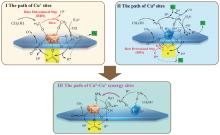
图5
"
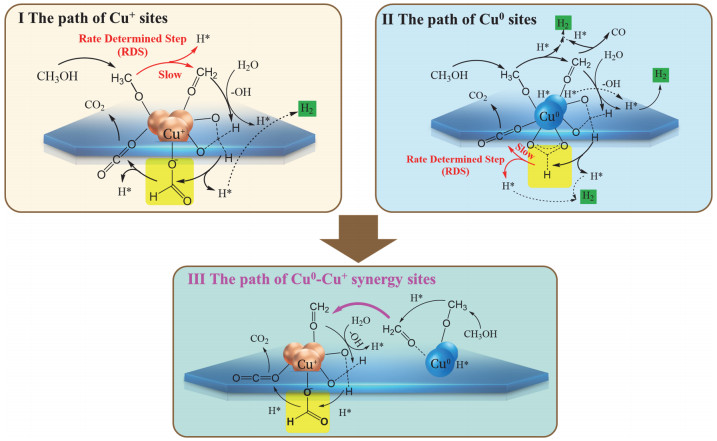
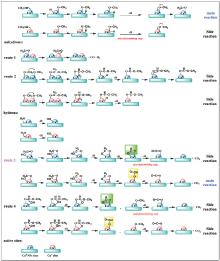
图6
"
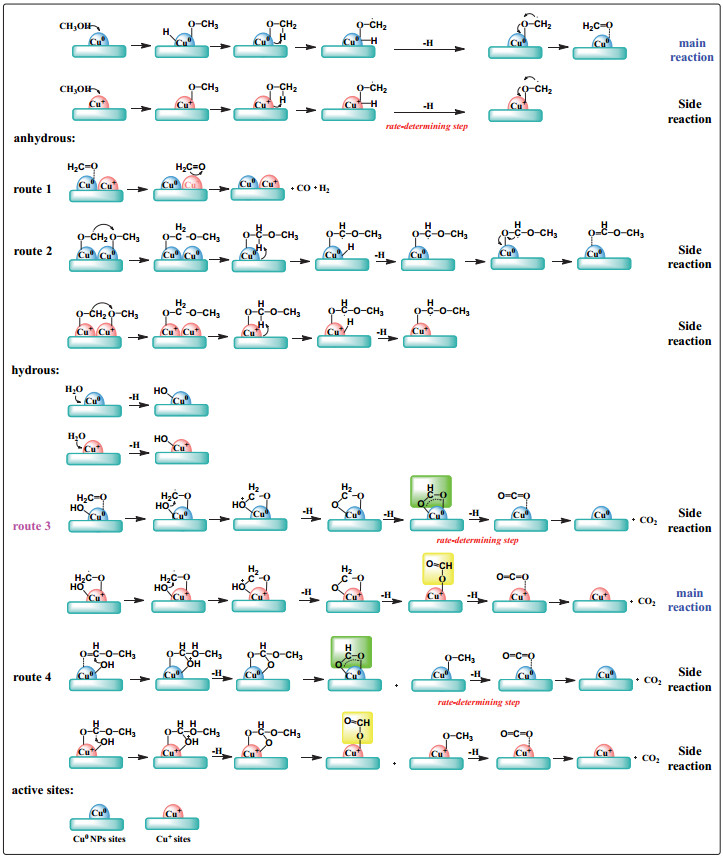
图7
"
图8
"
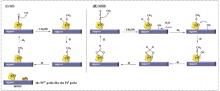
图9
"
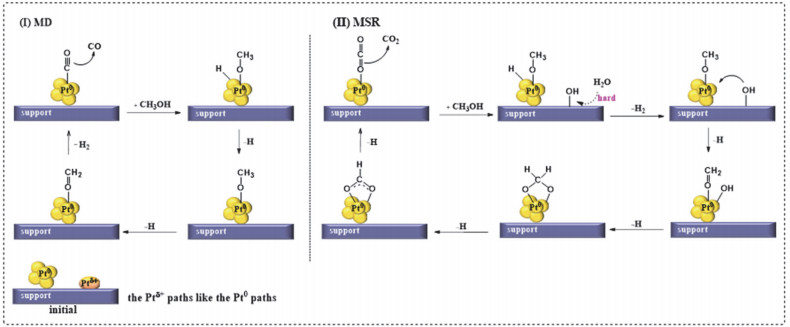
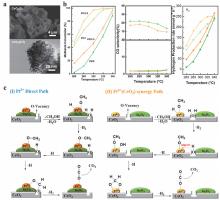
图10
"
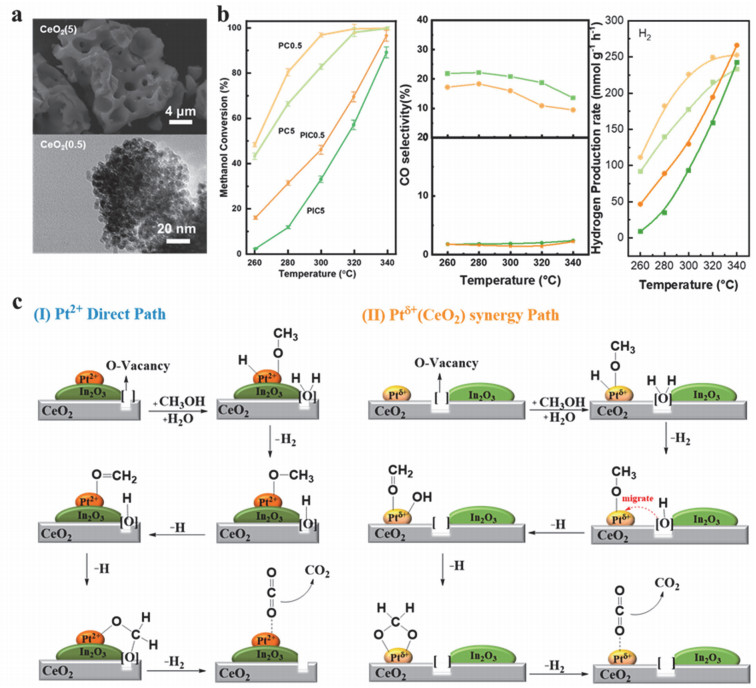
图11
"
图12
"
| 1 |
|
|
王戎; 陈祉叶; 曾嘉伟; 王怡静; 曹军骥; 汤绪; 张人禾. 科技导报, 2024, 42, 10.
doi: 10.3981/j.issn.1000-7857.2024.02.00232 |
|
| 2 |
Raimi, D.; Zhu, Y.; Newell, D. R. G.; Prest, B. C.; Bergman, A. Resources for the Future 2024. Report: https://www.rff.org/publications/reports/global-energy-outlook-2024
|
| 3 |
|
|
顾佰和; 于东晖; 王琛; 王毅. 中国科学院院刊, 2024, 39, 726.
doi: 10.16418/j.issn.1000-3045.20230505003 |
|
| 4 |
|
|
戴丽萍; 熊俊俏; 刘海英. 化工进展, 2013, 32, 2068.
doi: 10.3969/j.issn.1000-6613.2013.09.011 |
|
| 5 |
doi: 10.1504/IJNT.2020.111320 |
| 6 |
doi: 10.1016/j.ijhydene.2024.09.342 |
| 7 |
|
| 8 |
doi: 10.1016/S0920-5861(97)00050-3 |
| 9 |
doi: 10.1016/s0022-0728(03)00241-9 |
| 10 |
doi: 10.1016/j.eng.2023.08.005 |
| 11 |
|
|
蒋东方; 贾跃龙; 鲁强; 洪博文; 神瑞宝; 张岩. 中国电力, 2020, 53, 135.
doi: 10.11930/j.issn.1004-9649.202003195 |
|
| 12 |
|
|
李兴虎. 交通节能与环保, 2023, 19, 45.
doi: 10.3969/j.issn.1673-6478.2023.04.012 |
|
| 13 |
|
|
李庆勋; 刘晓彤; 刘克峰; 张天釜; 孔繁华. 天然气化工(C1化学与化工), 2015, 40, 78.
doi: 10.3969/j.issn.1001-9219.2015.01.021 |
|
| 14 |
|
|
郑励行; 赵黛青; 漆小玲; 陈毓暑. 工程热物理学报, 2022, 43, 2305.
|
|
| 15 |
|
|
邵乐; 张益; 唐燕飞; 杨鹏; 王宇欢; 王辉. 炼油与化工, 2024, 35, 10.
doi: 10.16049/j.cnki.lyyhg.2024.02.013 |
|
| 16 |
|
|
冯云; 曹田田; 宋海涛; 林伟. 石油炼制与化工, 2022, 53, 11.
|
|
| 17 |
|
| 18 |
|
|
王力鹏; 曹道帆; 刘雪; 李超; 刘科. 化学学报, 2024, 82, 819.
doi: 10.6023/A24020056 |
|
| 19 |
doi: 10.1016/j.apsusc.2023.159087 |
| 20 |
|
|
赵杭; 刘雪; 曹道帆; 李超; 江锋浩; 吴昌宁; 刘科. 天然气化工(C1化学与化工), 2022, 47(05), 49.
doi: 10.3969/j.issn.1001-9219.2022.05.007 |
|
| 21 |
|
|
汤颖; 邓强; 路勇; 何鸣元. 天然气化工(C1化学与化工), 2009, 34, 65.
|
|
| 22 |
doi: 10.1016/j.apcata.2004.09.022 |
| 23 |
doi: 10.1016/j.apcatb.2016.02.021 |
| 24 |
doi: 10.1016/j.ijhydene.2024.11.084 |
| 25 |
doi: 10.1021/acs.jpcc.8b00085 |
| 26 |
|
|
冯凯; 孟浩; 杨宇森; 卫敏. 化工进展, 5498, 43, 5498.
doi: 10.16085/j.issn.1000-6613.2023-1705 |
|
| 27 |
doi: 10.1016/j.ijhydene.2018.01.043 |
| 28 |
doi: 10.1016/j.jenvman.2022.116019 |
| 29 |
doi: 10.1016/s1566-7367(03)00132-8 |
| 30 |
doi: 10.1016/j.apcata.2005.10.043 |
| 31 |
doi: 10.1016/j.jcat.2007.05.003 |
| 32 |
doi: 10.1016/j.ijhydene.2023.03.147 |
| 33 |
doi: 10.1016/j.ijhydene.2023.05.238 |
| 34 |
doi: 10.1016/j.ijhydene.2021.12.080 |
| 35 |
doi: 10.1016/j.ijhydene.2019.03.269 |
| 36 |
|
|
王勤; 赵青; 吴荣生; 陶新明; 张宸. 现代化工, 2019, 39, 50.
doi: 10.16606/j.cnki.issn0253-4320.2019.06.010 |
|
| 37 |
|
|
倪哲明; 毛江洪; 潘国祥; 胥倩; 李小年. 物理化学学报, 2009, 25, 876.
doi: 10.3866/PKU.WHXB20090507 |
|
| 38 |
doi: 10.1002/ange.202217323 |
| 39 |
doi: 10.1021/acssuschemeng.3c02330 |
| 40 |
doi: 10.1021/acscatal.0c02120 |
| 41 |
doi: 10.1021/cs500740u |
| 42 |
doi: 10.1016/j.apcatb.2004.04.027 |
| 43 |
doi: 10.1016/j.ijhydene.2013.03.023 |
| 44 |
doi: 10.1002/er.4440 |
| 45 |
doi: 10.1016/j.apcata.2003.12.018 |
| 46 |
doi: 10.1021/cs400011m |
| 47 |
doi: 10.1016/j.cej.2012.03.063 |
| 48 |
doi: 10.1016/j.apcata.2009.01.031 |
| 49 |
doi: 10.1016/j.ijhydene.2014.08.041 |
| 50 |
doi: 10.1016/j.jcat.2015.06.020 |
| 51 |
doi: 10.1016/j.apcata.2018.01.022 |
| 52 |
doi: 10.1021/jacs.9b09431 |
| 53 |
doi: 10.1021/acs.iecr.0c03311 |
| 54 |
doi: 10.1016/j.ijhydene.2019.11.015 |
| 55 |
doi: 10.1016/j.ijhydene.2014.09.062 |
| 56 |
doi: 10.3390/molecules25071531 |
| 57 |
doi: 10.1016/j.fuel.2015.10.111 |
| 58 |
doi: 10.1039/c5gc00119f |
| 59 |
doi: 10.1039/C7CS00026J |
| 60 |
doi: 10.1021/acscatal.7b04469 |
| 61 |
doi: 10.1126/science.211.4487.1121 |
| 62 |
doi: 10.1002/ange.201300130 |
| 63 |
doi: 10.1002/anie.201400290 |
| 64 |
doi: 10.1038/nchem.2607 |
| 65 |
doi: 10.1021/acs.jpclett.6b01198 |
| 66 |
doi: 10.1021/acscatal.7b01896 |
| 67 |
doi: 10.1039/c1cs15008a |
| 68 |
doi: 10.1021/jacs.5b03668 |
| 69 |
doi: 10.1039/c4gc01818d |
| 70 |
doi: 10.1126/science.1240148 |
| 71 |
doi: 10.1002/anie.201610166 |
| 72 |
doi: 10.1002/anie.201601661 |
| 73 |
doi: 10.1021/ar800022m |
| 74 |
doi: 10.1016/s0920-5861(96)00195-2 |
| 75 |
doi: 10.1016/0009-2509(96)00008-5 |
| 76 |
doi: 10.1021/cs200311t |
| 77 |
doi: 10.1016/S0926-3373(02)00055-3 |
| 78 |
doi: 10.1021/acscatal.8b05042 |
| 79 |
doi: 10.1016/j.apcatb.2008.05.019 |
| 80 |
doi: 10.1021/acscatal.9b02773 |
| 81 |
doi: 10.1016/j.apcata.2023.119515 |
| 82 |
doi: 10.1016/j.apcata.2021.118279 |
| 83 |
doi: 10.1002/anie.201405213 |
| 84 |
doi: 10.1016/j.apcatb.2022.122043 |
| 85 |
doi: 10.1016/j.cattod.2022.04.012 |
| 86 |
doi: 10.1016/j.cattod.2020.10.019 |
| 87 |
doi: 10.1039/c2cy20604h |
| 88 |
doi: 10.3866/pku.Whxb202002017 |
| 89 |
doi: 10.1016/j.apcata.2018.11.023 |
| 90 |
doi: 10.3866/PKU.WHXB202009101 |
| 91 |
doi: 10.1021/acscatal.0c00260 |
| 92 |
doi: 10.1016/j.jpowsour.2006.04.008 |
| 93 |
doi: 10.1016/j.cej.2024.150331 |
| 94 |
doi: 10.1016/j.apcatb.2015.02.039 |
| 95 |
doi: 10.1002/anie.201411581 |
| 96 |
doi: 10.1038/s41929-021-00729-4 |
| 97 |
doi: 10.1039/D2CY01490D |
| 98 |
doi: 10.1002/anie.202301563 |
| 99 |
doi: 10.1021/jacs.2c13784 |
| 100 |
doi: 10.1016/j.apcatb.2020.119243 |
| 101 |
doi: 10.1016/j.jcat.2020.09.018 |
| 102 |
doi: 10.1016/j.jcat.2022.06.026 |
| 103 |
doi: 10.1016/j.apcatb.2019.118016 |
| 104 |
doi: 10.1021/jp206511q |
| 105 |
doi: 10.1016/s1872-2067(20)63672-5 |
| 106 |
doi: 10.1038/s41467-023-41192-y |
| 107 |
doi: 10.1039/d0cy02269a |
| 108 |
doi: 10.1039/d1cy01554k |
| 109 |
doi: 10.1002/smll.202004526 |
| 110 |
doi: 10.1016/j.apcatb.2022.121468 |
| 111 |
doi: 10.1038/s41467-024-47397-z |
| 112 |
doi: 10.1016/j.jece.2022.107676 |
| 113 |
doi: 10.1016/j.apcatb.2020.118698 |
| 114 |
doi: 10.1016/j.apcatb.2022.121515 |
| 115 |
doi: 10.1002/anie.202105118 |
| 116 |
doi: 10.1039/c9sc00015a |
| 117 |
doi: 10.1016/j.fuel.2023.130080 |
| 118 |
doi: 10.1002/anie.201710605 |
| 119 |
doi: 10.1016/j.surfin.2024.104633 |
| 120 |
doi: 10.1021/acs.jpcc.8b03764 |
| 121 |
doi: 10.1021/acssuschemeng.1c06935 |
| 122 |
doi: 10.1016/j.fuel.2023.129840 |
| 123 |
doi: 10.1038/s41467-023-43679-0 |
| 124 |
doi: 10.1021/jacs.3c06688 |
| 125 |
|
|
陈明旭; 梅占强; 陈柯臻; 罗永明. 石油化工, 2017, 46, 1536.
doi: 10.3969/j.issn.1000-8144.2017.12.017 |
|
| 126 |
|
| 127 |
doi: 10.1016/j.ijhydene.2022.10.046 |
| 128 |
doi: 10.1016/j.ijhydene.2015.08.046 |
| 129 |
doi: 10.1016/j.energy.2024.131091 |
| 130 |
doi: 10.1016/j.fuel.2016.06.081 |
| 131 |
doi: 10.1016/j.jechem.2020.02.038 |
| 132 |
doi: 10.1021/cr050198b |
| 133 |
doi: 10.3390/en14248442 |
| 134 |
doi: 10.1016/j.ijhydene.2020.04.040 |
| 135 |
doi: 10.1007/s11814-017-0111-4 |
| 136 |
doi: 10.1016/j.jcat.2020.10.023 |
| 137 |
doi: 10.1021/acscatal.1c05994 |
| 138 |
doi: 10.1021/acsnano.3c05409 |
| 139 |
doi: 10.1016/j.jcat.2022.10.002 |
| 140 |
doi: 10.1021/acscatal.0c03324 |
| 141 |
doi: 10.1007/s12274-022-4666-y |
| 142 |
doi: 10.1016/j.cej.2019.122752 |
| 143 |
doi: 10.1007/s12274-022-4251-4 |
| 144 |
doi: 10.1039/d1ta06850d |
| 145 |
doi: 10.1021/acscatal.2c06029 |
| 146 |
doi: 10.1016/j.cej.2021.131767 |
| 147 |
doi: 10.1007/s10562-018-2577-z |
| 148 |
doi: 10.1002/aenm.202103707 |
| 149 |
doi: 10.1039/d0gc01597k |
| 150 |
doi: 10.1021/acscatal.2c03709 |
| 151 |
doi: 10.1021/acscatal.0c04073 |
| 152 |
doi: 10.1021/acscatal.2c00207 |
| 153 |
doi: 10.1016/j.cej.2012.06.141 |
| 154 |
doi: 10.1016/j.jpowsour.2017.08.043 |
| 155 |
doi: 10.1016/j.ijhydene.2016.08.184 |
| 156 |
doi: 10.1016/j.ijhydene.2023.07.186 |
| 157 |
doi: 10.1016/j.apcata.2008.05.028 |
| 158 |
doi: 10.1002/cctc.201900738 |
| 159 |
doi: 10.1016/j.ces.2016.08.009 |
| 160 |
doi: 10.1021/jacs.9b04873 |
| 161 |
doi: 10.1021/acscatal.0c01968 |
| 162 |
doi: 10.1016/j.apcatb.2022.122018 |
| 163 |
doi: 10.1016/j.apcatb.2022.121669 |
| 164 |
doi: 10.1038/s41467-022-33186-z |
| 165 |
doi: 10.1021/jacs.0c10728 |
| 166 |
doi: 10.1023/A:1023571819211 |
| 167 |
doi: 10.3390/catal8110544 |
| 168 |
doi: 10.1016/j.apcatb.2019.118500 |
| 169 |
doi: 10.1038/nature21672 |
| 170 |
doi: 10.1021/acscatal.9b02243 |
| 171 |
doi: 10.1021/jacs.0c08640 |
| 172 |
doi: 10.1021/acscatal.3c02552 |
| 173 |
doi: 10.1016/j.fuel.2023.130760 |
| [1] | 洪佳楠, 许辰宇, 刘烟, 黎昌棋, 王梦琳, 张彦威. 通过边缘活性位点调控解析光热催化中析氢与二氧化碳还原的界面竞争[J]. 物理化学学报, 2025, 41(9): 100099 - . |
| [2] | 许银洁, 李随勤, 刘力豪, 贺佳辉, 李凯, 王梦欣, 赵舒影, 李纯, 张峥斌, 钟兴, 王建国. NiFe-MOF和氮氧自由基协同增强甾醇电催化氧化[J]. 物理化学学报, 2024, 40(3): 2305012 - . |
| [3] | 朱潇锋, 肖兵兵, 苏家欣, 王帅, 张清然, 王骏. 过渡金属氧化物/硫属化合物用于电化学氧还原制过氧化氢[J]. 物理化学学报, 2024, 40(12): 2407005 - . |
| [4] | 曹玥晗, 郭瑞, 马敏智, 黄泽皑, 周莹. 活性位点电子密度变化对光催化CO2活化和选择转化的影响[J]. 物理化学学报, 2024, 40(1): 2303029 - . |
| [5] | 雷淦昌, 郑勇, 曹彦宁, 沈丽娟, 王世萍, 梁诗景, 詹瑛瑛, 江莉龙. 钾改性氧化铝基羰基硫水解催化剂及其失活机理[J]. 物理化学学报, 2023, 39(9): 2210038 -0 . |
| [6] | 高凤雨, 刘恒恒, 姚小龙, Sani Zaharaddeen, 唐晓龙, 罗宁, 易红宏, 赵顺征, 于庆君, 周远松. 球形表面富锰MnxCo3−xO4−ƞ尖晶石型催化剂选择性催化还原NOx研究[J]. 物理化学学报, 2023, 39(9): 2212003 -0 . |
| [7] | 王键, 尹波, 高天, 王星懿, 李望, 洪兴星, 汪竹青, 何海勇. 还原氧化石墨烯改性少层剥离石墨增强石墨基钾离子电池负极稳定性[J]. 物理化学学报, 2022, 38(2): 2012088 - . |
| [8] | 陈鹏, 周莹, 董帆. 二维光催化材料电子结构和性能调控策略研究进展[J]. 物理化学学报, 2021, 37(8): 2010010 - . |
| [9] | 徐冰妍, 张应, 皮业灿, 邵琪, 黄小青. 镍基金属有机框架及其衍生物在电催化析氧反应中的研究进展[J]. 物理化学学报, 2021, 37(7): 2009074 - . |
| [10] | 赵康宁, 李潇, 苏东. 高熵纳米合金在电化学催化中的应用[J]. 物理化学学报, 2021, 37(7): 2009077 - . |
| [11] | 张超, 李思汉, 吴辰亮, 李小青, 严新焕. Pt@Au/Al2O3核壳纳米粒子的制备和表征及其在催化氧化甲苯中的应用[J]. 物理化学学报, 2020, 36(8): 1907057 - . |
| [12] | 郁桂云,胡丰献,程伟伟,韩字童,刘超,戴勇. ZnCuAl-LDH/Bi2MoO6纳米复合材料的构建及其可见光催化降解性能[J]. 物理化学学报, 2020, 36(7): 1911016 - . |
| [13] | 葛靖暄, 胡钧, 朱盈婷, 泽妮诗, 臧德进, 秦召贤, 黄毅超, 张江威, 魏永革. 多酸在电催化析氢反应中的应用研究进展[J]. 物理化学学报, 2020, 36(1): 1906063 - . |
| [14] | 林舟,申琳璠,瞿希铭,张俊明,姜艳霞,孙世刚. 盐封后碳化钼电催化剂的制备及其氢析出性能[J]. 物理化学学报, 2019, 35(5): 523 -530 . |
| [15] | 郑朝蕾,吕祝梅. HCCI燃烧中NO与异辛烷相互作用简化动力学模型构建与分析[J]. 物理化学学报, 2016, 32(5): 1151 -1160 . |
|
||